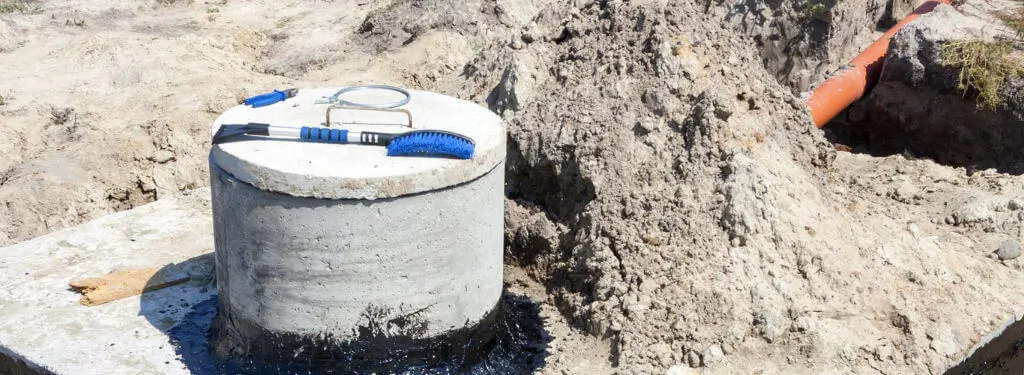
Septic Tank Pumping
Asbury Park NJ 
Looking for a local septic tank service expert?
Call our toll-free hotline now!
Looking for Septic Tank Pumping in Asbury Park, NJ? Contact Us for Top-Quality Service!
Local septic tank service information for Asbury Park, NJ.
We offer a wide range of septic tank services in your area. With over 20 years of experience in the industry, we are eminently positioned to provide you with the best septic tank services. Our services include septic tank inspections, pumping/cleaning, all types of septic tank repairs and septic tank installations.
Septic Tank Inspections in Asbury Park, NJ
Septic systems require regular, professional inspection to ensure that they continue to run smoothly without interruption. In addition, we can undertake inspection of your septic tank if you are buying a new property. If you are upgrading or remodeling your home, we can conduct a septic tank inspection in Asbury Park, NJ to ensure that its size will accommodate the additional requirement and that you are not building on the septic drain field. If you observe that your toilets flush sluggishly or that your sinks drain slowly, it may be time for a survey of the drainage pipes leading to and from your septic tank to ensure there is no blockage.
Septic tank inspection can be visual or full. A visual inspection entails a physical check on your septic tank system after creating a surge within the system. This is done by running the taps and flushing the toilets for a couple of minutes. A full inspection is a more detailed check on the interior of the tank. Checks are conducted to find out if there is a leak, and the pipes are inspected to determine if there is any blockage in the flow of water. The septic drain field is also observed after pumping up the septic tank to see if there is any back flow. Our experienced technicians undertake these inspections with sophisticated cameras to ensure that nothing escapes detection.

Septic Tank Cleaning/Pumping
Septic tank pumping is the safest way to protect the lifespan of your system. Poor maintenance will lead to constant repairs and replacement, which will lead to extra costs.
Regular septic pumping will prevent all types of problems of your system. Pipes can clog quite easily if water particles get trapped in the drain. Clogged pipes mean that absorption of wastewater is impeded and very soon the smell of raw sewage will fill the air.
Septic pumping is required at regular intervals to remove the matter that sinks to the bottom of your tank. It is advisable that it does not reach 30% of your tanks' capacity. It is important to get your septic tank pumped regularly to keep it clean and ensure smooth running of the system.
Septic Tank Repairs
The majority of home-owners rarely conduct maintenance operations on their septic tanks. This is detrimental to the integrity and longevity of the septic tanks, and it is more than likely that these septic tanks are prone to repairs. A fully functional septic tank is important to both the health and safety of the occupants of your home. Septic systems can be operational for decades if properly looked after (see here for septic tank pumping costs) to ensure they are working as they are supposed to. Repairs done on a septic tank prevent the possibility of future leaks and diseases from contaminated water. Repairs are an integral part of any system so don’t let it get worse before you decide to fix it.
Septic Tank Installation
If your septic tank continues to under-perform, especially after it has been worked upon repeatedly. It may be time to consider having a new tank installed. We undertake residential and commercial septic system installations expertly and at competitive prices. Our robust equipment enables us to excavate both small, difficult to access areas and large areas of land.
Our highly skilled team of septic tank professionals in Asbury Park are available to provide 24/7 emergency service at all times. Customer service is at the heart of all the services we provide, and we are able to give you 100% guarantee that you will be completely satisfied with our services. Contact us today for your septic tank inspection, cleaning/pumping, repairs and installations.
Call now for your free estimate
Why Septic Tank Hotline?
Great Customer Care
Treating our customers respectfully as well as a courteous and friendly demeanor is our standard.
Emergency Service
24 hour toll-free emergency hotline. Call us any day, any time.
Reliable Quotes
When you request an estimate, there will be no hidden fees and we will do our best to match the final bill as closely as possible.
Customer Reviews
After the inspection on site and the sending of the offer, a possible date for the replacement of our septic tank was already discussed. We were convinced by the timely start and the routine of the installation of our new system.
I am very satisfied with this company. Good advice, reliable and a friendly boss. Very clean work. With pleasure again.
After several price comparisons on my part, I decided to use the Septic Tank Hotline because of the price and the short-term appointment.
Looking for Septic Tank Pumping in your area?
Call our toll-free Septic Tank Pumping hotline and speak to a local expert now.
(844) 571-0448 Septic Tank Cleaning Services
07712 Asbury Park,
NJ, Monmouth
Phone: (844) 571-0448
Septic Tank Hotline connects homeowners with independent local septic service providers. Availability, pricing, and scheduling are confirmed directly for your requested service area.
Service area and ZIP codes
Enter your ZIP code when you call so we can connect you with septic service for Asbury Park, NJ and the surrounding area.
Primary ZIP code: 07712
Use the nearby service-area links for keyboard navigation. The map loads when it is near the viewport.
Frequently Asked Questions
Quick answers to common questions about septic tank services in Asbury Park, NJ.
What should I expect if tree roots are suspected?
Answer: Homeowners in Asbury Park, NJ usually need a straight answer, not a sales fog machine. When Septic Tank Hotline visits a property in Asbury Park, NJ, the visit should look for root-prone pipe routes, slow recurring drains, and evidence that roots may be entering lines or damaging components. The technician should not treat every odor, slow drain, alarm, or wet spot as the same problem. A septic system can fail at the building sewer, tank inlet, tank body, outlet baffle, effluent filter, pump chamber, distribution area, or drainfield. The service expectation is a step-by-step check that turns a messy symptom into a likely cause.
Before the appointment, do not dump root killer into the system as a first response; get the location and cause identified. Gather the last pump date, any permit drawing, riser location, tank size, repair history, and notes from prior owners if you have them. Also mention recent rain, heavy laundry, guests, power outages, landscaping, or vehicles parked near the system. If you do not know where the tank is, say so. A wrong guess can waste more time than an honest blank.
Outside, Septic Tank Hotline may inspect trees near the line, cleanouts, tank inlet, outlet, drainfield edges, and areas with settlement or moisture. This outside review matters because septic trouble is often a water-management problem wearing a plumbing costume. Roof runoff, sump discharge, compacted soil, buried lids, broken risers, poor grading, and traffic over the drainfield can all change what the technician finds. Safe access also matters: children, pets, vehicles, and fragile landscaping should be kept away from the work area.
A homeowner can help without becoming a septic technician. Use less water, document symptoms, clear access, and avoid any product that promises to dissolve the problem overnight. Septic tanks need predictable flow and low solids abuse, not chemistry theater. If sewage is already present indoors or on the ground, stop testing the system by flushing. Keep people and pets away from contaminated areas and treat it as a sanitation issue, not a normal household nuisance.
Follow-up is recommended when a camera inspection, line repair, or vegetation management plan is needed. Same-day service matters when roots contribute to a full blockage and sewage is backing up indoors. Before the technician leaves, ask three simple questions: What evidence points to the likely cause? What should I stop doing today? What would make this urgent again? The best result is a plain-English path: stabilize the issue, explain the evidence, and recommend follow-up only when the facts justify it.
What if the septic service visit happens during bad weather?
Answer: Homeowners in Asbury Park, NJ usually need a straight answer, not a sales fog machine. When Septic Tank Hotline visits a property in Asbury Park, NJ, the visit should perform what can be done safely and explain what may need to be rechecked when conditions improve. The technician should not treat every odor, slow drain, alarm, or wet spot as the same problem. A septic system can fail at the building sewer, tank inlet, tank body, outlet baffle, effluent filter, pump chamber, distribution area, or drainfield. The service expectation is a step-by-step check that turns a messy symptom into a likely cause.
Before the appointment, do not drive over the drainfield or ask heavy trucks to cross saturated areas. Gather the last pump date, any permit drawing, riser location, tank size, repair history, and notes from prior owners if you have them. Also mention recent rain, heavy laundry, guests, power outages, landscaping, or vehicles parked near the system. If you do not know where the tank is, say so. A wrong guess can waste more time than an honest blank.
Outside, Septic Tank Hotline may inspect safe truck access, ground firmness, standing water, lid access, slope, electrical hazards, and surface runoff. This outside review matters because septic trouble is often a water-management problem wearing a plumbing costume. Roof runoff, sump discharge, compacted soil, buried lids, broken risers, poor grading, and traffic over the drainfield can all change what the technician finds. Safe access also matters: children, pets, vehicles, and fragile landscaping should be kept away from the work area.
A homeowner can help without becoming a septic technician. Use less water, document symptoms, clear access, and avoid any product that promises to dissolve the problem overnight. Septic tanks need predictable flow and low solids abuse, not chemistry theater. If sewage is already present indoors or on the ground, stop testing the system by flushing. Keep people and pets away from contaminated areas and treat it as a sanitation issue, not a normal household nuisance.
Follow-up is recommended when rain or snow prevents accurate field evaluation or safe access to some components. Same-day service matters when bad weather coincides with sewage backup or outside discharge. Before the technician leaves, ask three simple questions: What evidence points to the likely cause? What should I stop doing today? What would make this urgent again? The best result is a plain-English path: stabilize the issue, explain the evidence, and recommend follow-up only when the facts justify it.
What happens if Septic Tank Hotline finds an effluent filter?
Answer: Septic service works best when the first visit is systematic. When Septic Tank Hotline visits a property in Asbury Park, NJ, the visit should inspect and clean the filter when accessible because a clogged filter can slow flow and mimic larger system trouble. The technician should not treat every odor, slow drain, alarm, or wet spot as the same problem. A septic system can fail at the building sewer, tank inlet, tank body, outlet baffle, effluent filter, pump chamber, distribution area, or drainfield. The service expectation is a step-by-step check that turns a messy symptom into a likely cause.
Before the appointment, do not remove or spray the filter yourself unless you have been shown safe local practice. Gather the last pump date, any permit drawing, riser location, tank size, repair history, and notes from prior owners if you have them. Also mention recent rain, heavy laundry, guests, power outages, landscaping, or vehicles parked near the system. If you do not know where the tank is, say so. A wrong guess can waste more time than an honest blank.
Outside, Septic Tank Hotline may inspect filter location, outlet tee condition, tank level, solids carryover, lid access, and signs of neglect. This outside review matters because septic trouble is often a water-management problem wearing a plumbing costume. Roof runoff, sump discharge, compacted soil, buried lids, broken risers, poor grading, and traffic over the drainfield can all change what the technician finds. Safe access also matters: children, pets, vehicles, and fragile landscaping should be kept away from the work area.
For mild warning signs, keep it boring: reduce water use, stop using the garbage disposal, keep grease out of the sink, and never flush wipes, hygiene products, paper towels, or coffee grounds. Boring is underrated when the alternative is a drainfield having a nervous breakdown. If sewage is already present indoors or on the ground, stop testing the system by flushing. Keep people and pets away from contaminated areas and treat it as a sanitation issue, not a normal household nuisance.
Follow-up is recommended when the filter clogs quickly again or solids are escaping the tank. Same-day service matters when drains are backing up and the outlet side may be restricted. Before the technician leaves, ask three simple questions: What evidence points to the likely cause? What should I stop doing today? What would make this urgent again? The fair expectation is not that every septic problem is solved in one visit. The fair expectation is a defensible diagnosis, safe immediate action, and a practical plan.
How should I prepare if I have never serviced the septic system before?
Answer: A good septic appointment starts with clear expectations. When Septic Tank Hotline visits a property in Asbury Park, NJ, the visit should establish a baseline: tank size if known, last service if known, household use, and current symptoms. The technician should not treat every odor, slow drain, alarm, or wet spot as the same problem. A septic system can fail at the building sewer, tank inlet, tank body, outlet baffle, effluent filter, pump chamber, distribution area, or drainfield. The service expectation is a step-by-step check that turns a messy symptom into a likely cause.
Before the appointment, do not panic if records are missing; gather what you can and reduce unnecessary water use. Gather the last pump date, any permit drawing, riser location, tank size, repair history, and notes from prior owners if you have them. Also mention recent rain, heavy laundry, guests, power outages, landscaping, or vehicles parked near the system. If you do not know where the tank is, say so. A wrong guess can waste more time than an honest blank.
Outside, Septic Tank Hotline may inspect possible tank location, drainfield location, additions to the home, garbage disposal use, and drainage patterns. This outside review matters because septic trouble is often a water-management problem wearing a plumbing costume. Roof runoff, sump discharge, compacted soil, buried lids, broken risers, poor grading, and traffic over the drainfield can all change what the technician finds. Safe access also matters: children, pets, vehicles, and fragile landscaping should be kept away from the work area.
For mild warning signs, keep it boring: reduce water use, stop using the garbage disposal, keep grease out of the sink, and never flush wipes, hygiene products, paper towels, or coffee grounds. Boring is underrated when the alternative is a drainfield having a nervous breakdown. If sewage is already present indoors or on the ground, stop testing the system by flushing. Keep people and pets away from contaminated areas and treat it as a sanitation issue, not a normal household nuisance.
Follow-up is recommended when the tank is overdue, solids are high, or the system layout needs documentation. Same-day service matters when plumbing is unusable or sewage is backing up into the home. Before the technician leaves, ask three simple questions: What evidence points to the likely cause? What should I stop doing today? What would make this urgent again? The fair expectation is not that every septic problem is solved in one visit. The fair expectation is a defensible diagnosis, safe immediate action, and a practical plan.
What should I expect if Septic Tank Hotline cannot complete everything in one visit?
Answer: Homeowners in Asbury Park, NJ usually need a straight answer, not a sales fog machine. When Septic Tank Hotline visits a property in Asbury Park, NJ, the visit should stabilize the immediate issue, document findings, and explain the next diagnostic or repair step plainly. The technician should not treat every odor, slow drain, alarm, or wet spot as the same problem. A septic system can fail at the building sewer, tank inlet, tank body, outlet baffle, effluent filter, pump chamber, distribution area, or drainfield. The service expectation is a step-by-step check that turns a messy symptom into a likely cause.
Before the appointment, ask what is fixed today, what is still uncertain, and what should not be used until follow-up. Gather the last pump date, any permit drawing, riser location, tank size, repair history, and notes from prior owners if you have them. Also mention recent rain, heavy laundry, guests, power outages, landscaping, or vehicles parked near the system. If you do not know where the tank is, say so. A wrong guess can waste more time than an honest blank.
Outside, Septic Tank Hotline may inspect access limits, weather, buried components, unsafe lids, high water, drainfield conditions, and needed equipment. This outside review matters because septic trouble is often a water-management problem wearing a plumbing costume. Roof runoff, sump discharge, compacted soil, buried lids, broken risers, poor grading, and traffic over the drainfield can all change what the technician finds. Safe access also matters: children, pets, vehicles, and fragile landscaping should be kept away from the work area.
For mild warning signs, keep it boring: reduce water use, stop using the garbage disposal, keep grease out of the sink, and never flush wipes, hygiene products, paper towels, or coffee grounds. Boring is underrated when the alternative is a drainfield having a nervous breakdown. If sewage is already present indoors or on the ground, stop testing the system by flushing. Keep people and pets away from contaminated areas and treat it as a sanitation issue, not a normal household nuisance.
Follow-up is recommended when the root cause needs camera inspection, excavation, pump work, electrical review, or soil-area evaluation. Same-day service matters when the first visit leaves the system temporarily functional but vulnerable to quick backup. Before the technician leaves, ask three simple questions: What evidence points to the likely cause? What should I stop doing today? What would make this urgent again? The fair expectation is not that every septic problem is solved in one visit. The fair expectation is a defensible diagnosis, safe immediate action, and a practical plan.
What does a septic visit include for a home sale?
Answer: Homeowners in Asbury Park, NJ usually need a straight answer, not a sales fog machine. When Septic Tank Hotline visits a property in Asbury Park, NJ, the visit should document visible and service-related findings without pretending a quick visit replaces all local inspection or permitting rules. The technician should not treat every odor, slow drain, alarm, or wet spot as the same problem. A septic system can fail at the building sewer, tank inlet, tank body, outlet baffle, effluent filter, pump chamber, distribution area, or drainfield. The service expectation is a step-by-step check that turns a messy symptom into a likely cause.
Before the appointment, gather records, disclosures, site plans, and service history before the appointment. Gather the last pump date, any permit drawing, riser location, tank size, repair history, and notes from prior owners if you have them. Also mention recent rain, heavy laundry, guests, power outages, landscaping, or vehicles parked near the system. If you do not know where the tank is, say so. A wrong guess can waste more time than an honest blank.
Outside, Septic Tank Hotline may inspect tank access, pumping history, visible components, drainfield condition, obvious defects, and system location clues. This outside review matters because septic trouble is often a water-management problem wearing a plumbing costume. Roof runoff, sump discharge, compacted soil, buried lids, broken risers, poor grading, and traffic over the drainfield can all change what the technician finds. Safe access also matters: children, pets, vehicles, and fragile landscaping should be kept away from the work area.
For light symptoms, the safest home step is water reduction: pause laundry, shorten showers, and avoid running several high-volume appliances together. Do not use caustic drain cleaners, septic additives sold as instant fixes, grease, paint, solvents, or antibacterial shock treatments. They can make diagnosis harder and may damage the normal treatment process. If sewage is already present indoors or on the ground, stop testing the system by flushing. Keep people and pets away from contaminated areas and treat it as a sanitation issue, not a normal household nuisance.
Follow-up is recommended when a buyer, seller, lender, or local authority requires additional inspection or documentation. Same-day service matters when active backup, surfacing sewage, or unsafe lids are found during the sale process. Before the technician leaves, ask three simple questions: What evidence points to the likely cause? What should I stop doing today? What would make this urgent again? A useful visit ends with clear next steps: what was seen, what was corrected, what remains uncertain, and what should trigger another call.
When is septic camera inspection discussed?
Answer: Septic service works best when the first visit is systematic. When Septic Tank Hotline visits a property in Asbury Park, NJ, the visit should use camera inspection when symptoms suggest a line blockage, root intrusion, crushed pipe, belly, or separation between the home and tank. The technician should not treat every odor, slow drain, alarm, or wet spot as the same problem. A septic system can fail at the building sewer, tank inlet, tank body, outlet baffle, effluent filter, pump chamber, distribution area, or drainfield. The service expectation is a step-by-step check that turns a messy symptom into a likely cause.
Before the appointment, do not pour chemical openers into drains; they can complicate service and may not address the real issue. Gather the last pump date, any permit drawing, riser location, tank size, repair history, and notes from prior owners if you have them. Also mention recent rain, heavy laundry, guests, power outages, landscaping, or vehicles parked near the system. If you do not know where the tank is, say so. A wrong guess can waste more time than an honest blank.
Outside, Septic Tank Hotline may inspect cleanout access, pipe direction, tank inlet, root-prone areas, settlement, and areas recently driven over or excavated. This outside review matters because septic trouble is often a water-management problem wearing a plumbing costume. Roof runoff, sump discharge, compacted soil, buried lids, broken risers, poor grading, and traffic over the drainfield can all change what the technician finds. Safe access also matters: children, pets, vehicles, and fragile landscaping should be kept away from the work area.
For light symptoms, the safest home step is water reduction: pause laundry, shorten showers, and avoid running several high-volume appliances together. Do not use caustic drain cleaners, septic additives sold as instant fixes, grease, paint, solvents, or antibacterial shock treatments. They can make diagnosis harder and may damage the normal treatment process. If sewage is already present indoors or on the ground, stop testing the system by flushing. Keep people and pets away from contaminated areas and treat it as a sanitation issue, not a normal household nuisance.
Follow-up is recommended when the line clears temporarily but slows again, or camera access must be scheduled after pumping. Same-day service matters when wastewater is backing up indoors and the main line may be blocked. Before the technician leaves, ask three simple questions: What evidence points to the likely cause? What should I stop doing today? What would make this urgent again? A useful visit ends with clear next steps: what was seen, what was corrected, what remains uncertain, and what should trigger another call.
When is a septic follow-up visit recommended?
Answer: Homeowners in Asbury Park, NJ usually need a straight answer, not a sales fog machine. When Septic Tank Hotline visits a property in Asbury Park, NJ, the visit should separate a simple full-tank issue from a recurring hydraulic, line, baffle, or drainfield problem. The technician should not treat every odor, slow drain, alarm, or wet spot as the same problem. A septic system can fail at the building sewer, tank inlet, tank body, outlet baffle, effluent filter, pump chamber, distribution area, or drainfield. The service expectation is a step-by-step check that turns a messy symptom into a likely cause.
Before the appointment, track which fixtures are slow, when odors appear, and whether recent rain made symptoms worse. Gather the last pump date, any permit drawing, riser location, tank size, repair history, and notes from prior owners if you have them. Also mention recent rain, heavy laundry, guests, power outages, landscaping, or vehicles parked near the system. If you do not know where the tank is, say so. A wrong guess can waste more time than an honest blank.
Outside, Septic Tank Hotline may inspect settling around the tank, drainfield condition, inspection ports, gutters, sump discharge, and areas where water collects. This outside review matters because septic trouble is often a water-management problem wearing a plumbing costume. Roof runoff, sump discharge, compacted soil, buried lids, broken risers, poor grading, and traffic over the drainfield can all change what the technician finds. Safe access also matters: children, pets, vehicles, and fragile landscaping should be kept away from the work area.
For mild warning signs, keep it boring: reduce water use, stop using the garbage disposal, keep grease out of the sink, and never flush wipes, hygiene products, paper towels, or coffee grounds. Boring is underrated when the alternative is a drainfield having a nervous breakdown. If sewage is already present indoors or on the ground, stop testing the system by flushing. Keep people and pets away from contaminated areas and treat it as a sanitation issue, not a normal household nuisance.
Follow-up is recommended when symptoms return within days or weeks, the tank level is abnormal, or a camera/line check is needed. Same-day service matters when raw sewage backs up into tubs, showers, or floor drains. Before the technician leaves, ask three simple questions: What evidence points to the likely cause? What should I stop doing today? What would make this urgent again? The fair expectation is not that every septic problem is solved in one visit. The fair expectation is a defensible diagnosis, safe immediate action, and a practical plan.